What is kundalini?
Kundalini is a form of divine feminine energy, or Shakti, in Hindu tradition. It is believed to rest, coiled and asleep, at the base of the spine, in an energy center called the Muladhara.
The idea is central to Shaiva Tantra. There it names a power linked with the divine feminine, the formless side of the Goddess. Tantric traditions describe it as the inner intelligence of consciousness living in a body. Later, Hatha Yoga took up the idea. From there it spread into other Hindu traditions and into a range of practices in the West.
In the classic picture, this energy lies dormant. Practices such as meditation, or a guru's spiritual transmission called shaktipat, are believed to awaken it.
Nithyanandapedia describes kundalini as the highest potential in every person and the fullest expression of creative genius. It calls the sleeping kundalini a metaphor for the potential inside us that has not yet woken up. In this view, kundalini must awaken first before a person's individual consciousness can awaken. Its awakening is said to open a person to a greater reality beyond the limited self.
What does the word kundalini mean?
Kundalini comes from Sanskrit. The adjective kundalin means circular or ring-shaped. Over time the word was also used for a snake, in the sense of something coiled. That is why kundalini is often translated as the coiled snake.
An early tantric text uses the form kundali, which one scholar explains as she who is ring-shaped. Kundali, meaning a ring or coil, also appears as a name for the goddess Durga, a form of Shakti, in Tantric and Shakta writings. Later it became a technical term in Hatha Yoga.
Nithyanandapedia offers another reading. It says kunda refers to the hollow in which the brain rests, looking like a coiled, sleeping serpent. The word kundalini then names Shakti, or power, while it is still dormant.
The energy carries many names. Nithyanandapedia lists the universal energy, the great cosmic mother and the creative force of the universe. In the Kaula Shakta tradition, kundalini is linked with the goddess Kubjika, whose name means the crooked one. There she is the supreme Goddess, pure bliss and power, and the source of all mantras.
The image of a sleeping, coiled serpent carries the core idea: a power that is present in everyone but not yet awake.
Where is kundalini located, and how does it rise?
Tradition places kundalini at the base of the spine, in the Muladhara, the root energy center. From there it is pictured rising through a subtle inner body.
Three channels, called nadis, matter most in this picture: - Sushumna, the central channel, running through the center of the spine - Ida, on the left side - Pingala, on the right side
The Hatha Yoga Pradipika, a classic yoga text, teaches that kundalini stays dormant while the sushumna is blocked. Practices such as Khechari Mudra and pranayama can unblock it. Kundalini can then rise to the Sahasrara, the energy center at the crown of the head.
On the way up it passes through the chakras, the energy centers along the central channel. Swami Satyananda Saraswati wrote that its passage through each chakra brings a different level of awakening. When it reaches the crown, he said, it produces a deep change in consciousness.
Nithyanandapedia names the ajna chakra, the third eye, as the sixth chakra. It describes the Sahasrara as less a chakra than a subtle opening, where kundalini unites with cosmic energy.
When kundalini is seen as a goddess, her rise to the head is described as union with Lord Shiva, the Supreme Being. Nithyanandapedia also speaks of awakening as the meeting of Shiva and Shakti.
What happens during a kundalini awakening?
Sources describe the awakening as an inner journey that unfolds in stages. Accounts differ, but some themes repeat.
Swami Vivekananda described kundalini rising step by step. As it climbs, he wrote, layer after layer of the mind opens. When it reaches the brain, the yogi is fully detached from body and mind, and the soul finds itself free.
When kundalini reaches the head, the aspirant is described as becoming absorbed in deep meditation and boundless bliss. Swami Sivananda wrote of inner visions and new inner worlds opening as kundalini passes from chakra to chakra, with growing knowledge and bliss. In Shaiva Tantra, the aim of awakening is a state of bliss and spiritual liberation.
Nithyanandapedia says that when kundalini wakes, old mental and physical patterns break apart. A new, conscious pattern forms, based on freedom and liberation. It calls one effect the most remarkable: the realization that you are beyond body and mind, a conscious existence that is eternal.
Not every tradition pictures this the same way. Some early texts treat kundalini as an obstruction to be cleared, not a helpful energy. Scholars note there is no single authentic model of it in the medieval texts. Sri Aurobindo described the centers opening through a descent of divine consciousness from above, rather than a willed rise from the base.
How is kundalini traditionally awakened?
The sources describe many paths. The main ones are: - Breath and body practices. Shaiva Tantra used pranayama (breath control), bandhas (body locks), mantra recitation and tantric ritual. Hatha yoga texts name the three locks mula, uddiyana and jalandhara bandha, along with a breath practice called kumbhaka, and the Khechari mudra. - Meditation. Tantric practice names meditation as a way to cultivate and awaken this energy. - A teacher's grace. Shaktipat is a spiritual transmission from a guru or teacher. Swami Muktananda wrote that receiving it asks no effort from the person.
The Shiva Samhita, a yoga text, says that when the sleeping kundalini is awakened by the Guru's grace, all bondages are pierced. Nithyanandapedia uses the word deeksha for the direct transmission of spiritual energy by an awakened being. It calls deeksha the most effortless way to awakening, compared with lifelong yogic practice or the tireless repetition of mantras.
Kundalini Yoga is a style built around this goal. Yoga Journal describes it as a mix of movement, mantras, meditation and dynamic breathing. Its aim is to free the serpent power coiled at the base of the spine and draw it up through the chakras.
Swami Rama wrote that alternate nostril breathing, called nadi shodhana, can cleanse the sushumna. Swami Sivananda believed many paths could work, and that students need a mix of methods prescribed by their guru.
What risks are associated with a rapid kundalini awakening?
The sources do raise cautions. Most are about trying to force an awakening without guidance.
- Meher Baba stressed the need for a master when actively trying to awaken kundalini. Without one, he warned, there is a danger of a premature or inappropriate awakening.
- B. K. S. Iyengar wrote that the breathing techniques bhastrika and kapalabhati do not awaken kundalini.
- Researchers in transpersonal psychology describe a pattern of sensory, motor, mental and emotional experiences tied to kundalini, sometimes called kundalini syndrome.
Nithyanandapedia makes a similar point from inside the tradition. It asks how many people today have a body and mind trained enough to withstand such a powerful burst of consciousness. It explains that awakening amplifies whatever is already inside a person. If someone still carries many incompletions and much suffering, those can become real in their life and hard to manage.
For this reason, it describes the guru's role in three parts: to awaken the energy, to guide it safely up the spine, and to protect the seeker's body and mind.
Several of these sources agree on one thing. A qualified teacher's guidance matters.
What does The SPH teach about kundalini?
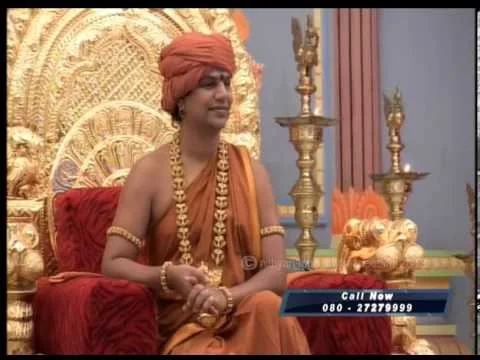
In a satsang on kundalini, The SPH links it to one idea: Completion. For him, the two are the same thing. He says that your declaration of Completion keeps your kundalini fully alive and awake.
He explains it through birth. Each time you are born, he says, you give yourself one more chance. You declare Completion and start life anew, so your kundalini is also fully awake. If you fall from that space, you bring past incompletions back with you. He describes this as the karma you bring back from past incompletions.
When you are possessed by your incompletions, The SPH teaches, your kundalini is asleep, as if beaten into sleep. When you are possessed by the space of Completion, it is wide awake, alive and working. So any moment of kundalini experience, he says, is a moment when Completion has taken hold of you.
The path works both ways. You can complete with old incompletions and bring the awakening back. You can also awaken kundalini and reach the space of Completion through it. He describes the strength you hold in the space of Completion as kundalini itself.
Completion is Kundalini awakening, Kundalini awakening is Completion.
What does The SPH say to do with a kundalini experience?
The SPH gives a clear instruction for what to do when you feel this energy. Declare Completion, and put the power to use right away to enrich others, creating yourself and others.
He says this is how confidence in your own kundalini grows. A person may feel the body moving by itself during an awakening, yet still lack confidence, because the energy is not used to enrich anyone. He compares this to an engineer, who feels more confident looking at a building he created.
He also teaches that practice reveals truths. When you experience kundalini awakening, he says, you discover things about yourself. For example, eating too much or sleeping too much makes the awakening difficult. If you are incomplete, it will not happen.
The SPH describes the electric energy people feel, when Completion moves through the nervous system, as kundalini. When many people experience and live kundalini awakening and enrich the world with it, he calls it Collective Completion.
Whenever you experience Kundalini awakening, declare completion, immediately use that power to enrich others
How should a beginner approach kundalini?
Start with understanding, not force. The sources point to a few simple steps.
- Learn the basic picture: a dormant energy at the base of the spine, a central channel, and chakras along the way.
- Know that views differ. Some see kundalini as a rising energy, some as a blockage, and some as opened by a descent from above.
- Seek guidance. Several sources stress the role of a guru or master, both to choose the right methods and to guide the energy safely.
- Know that Iyengar wrote that bhastrika and kapalabhati do not awaken kundalini.
Swami Rama named alternate nostril breathing as a way to cleanse the central channel. Meditation is named again and again as a path to awakening.
The SPH adds an inner focus. He asks people to be complete with their body, mind, memory and intelligence. The more Completion you create, he says, the more kundalini energy will be felt in your life.
Finally, keep the real goal in view. Nithyanandapedia says the outer changes linked with awakening cannot match the silent change in consciousness. That inner change, it says, is what kundalini awakening is truly about.
Read more
Watch the full satsang
Kundalini is the Energy of Completion | Satsang | August 9, 2013
Topics
Read similar articles
What Are Chakras, and How Do They Work in Your Life?
The SPH describes chakras as energy centers in your being, the gears and mechanisms of your system. He teaches that there are seven, from the root of the spine to the top of the head, and that every emotion is related to some chakra.

What Is Om? The Sacred Sound and Why It Is Chanted
Om (also written Aum) is a sacred sound, syllable and symbol in Hinduism that stands for Brahman, the ultimate reality, and the Self within. It is chanted before mantras, prayers and rituals, and it is a basic tool for meditation.

What Are the Types of Yoga? Twelve Layers and Three Levels
The SPH teaches that yoga is one science with twelve layers, from posture and breath to speech, mind and emotion. It is given in three levels of practice, and its goal is union with Paramashiva.